Tiger Track Ecolodge
location | Bardiya National Park, Nepal
project type | Community + Hospitality
client partner | Tiger Track Nepal
site area | 0.5 acres (4 ropani)
built area | 4,250 sq ft (395 sq m)
status | Completed 2026
project team
Building Bureau (Architect)
Sustainable Future Nepal (Contractor)
additional resources
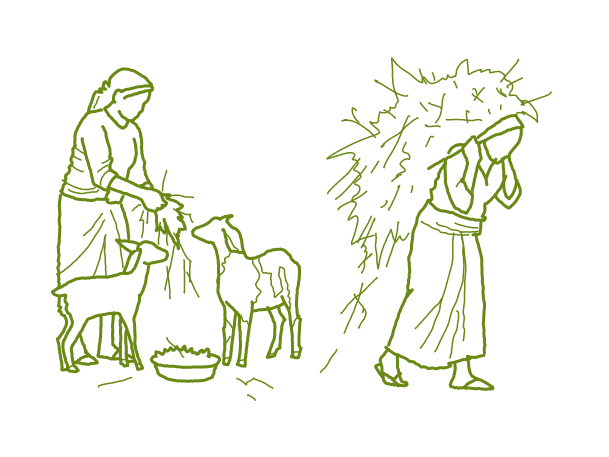
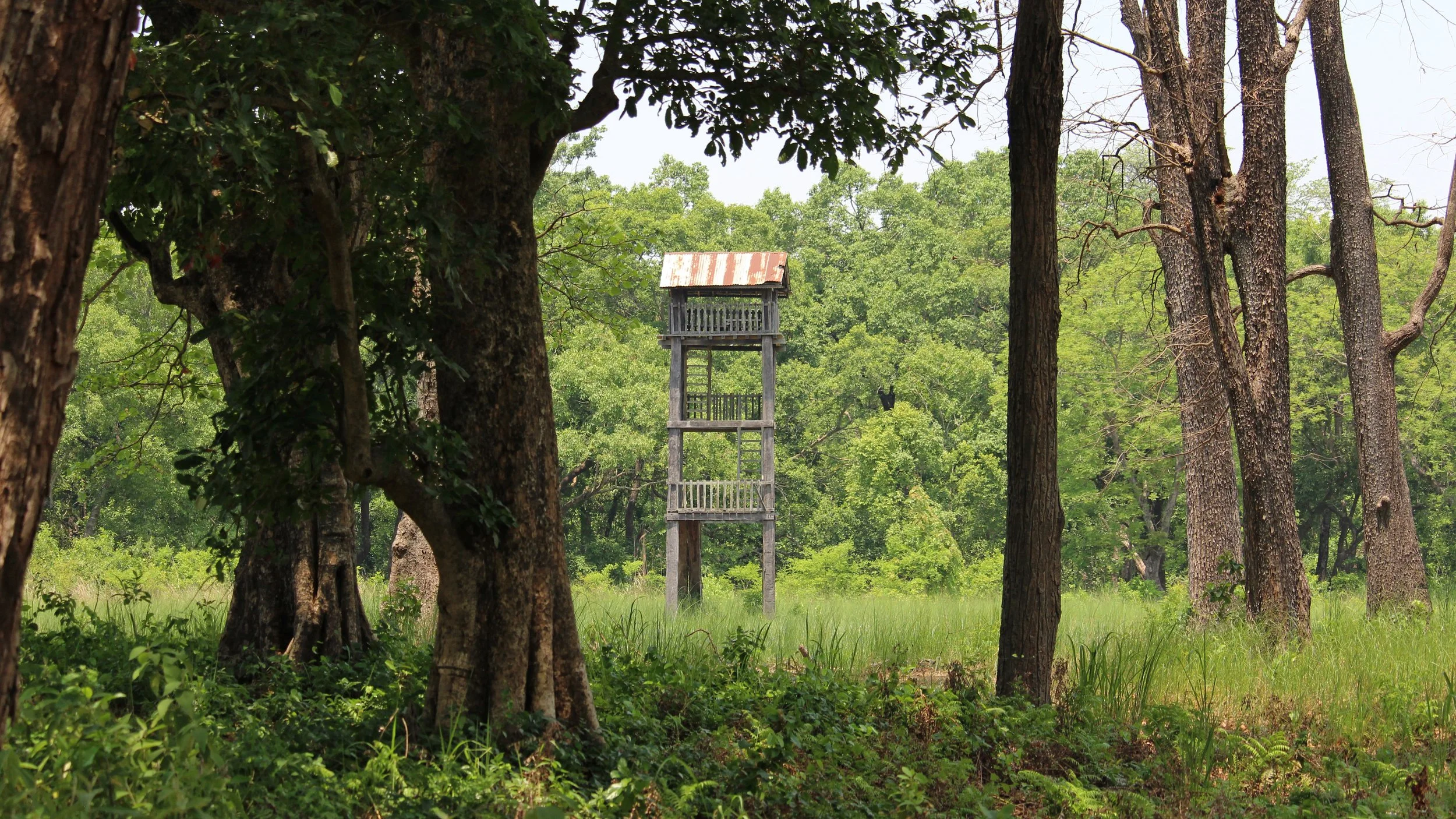
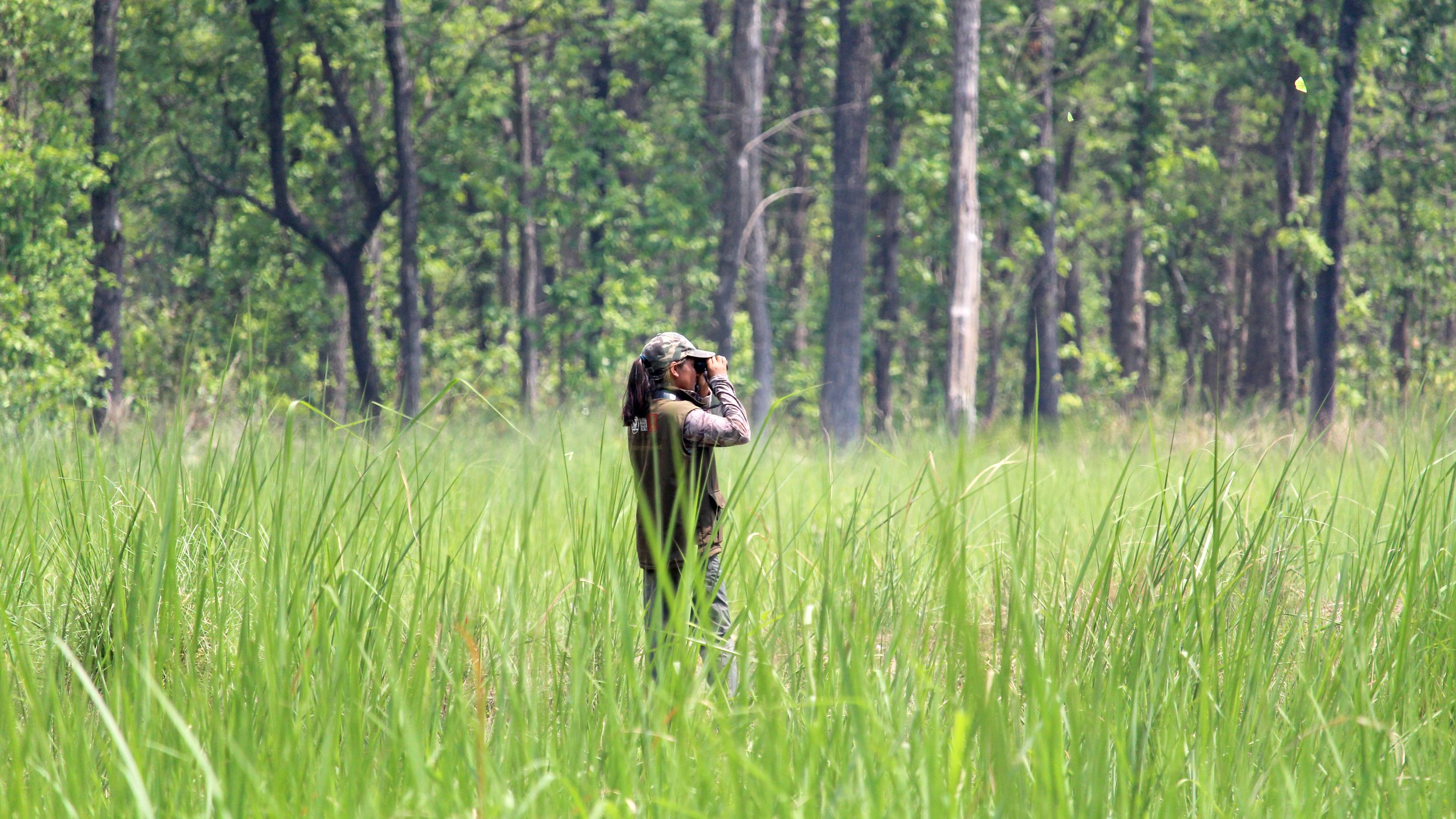
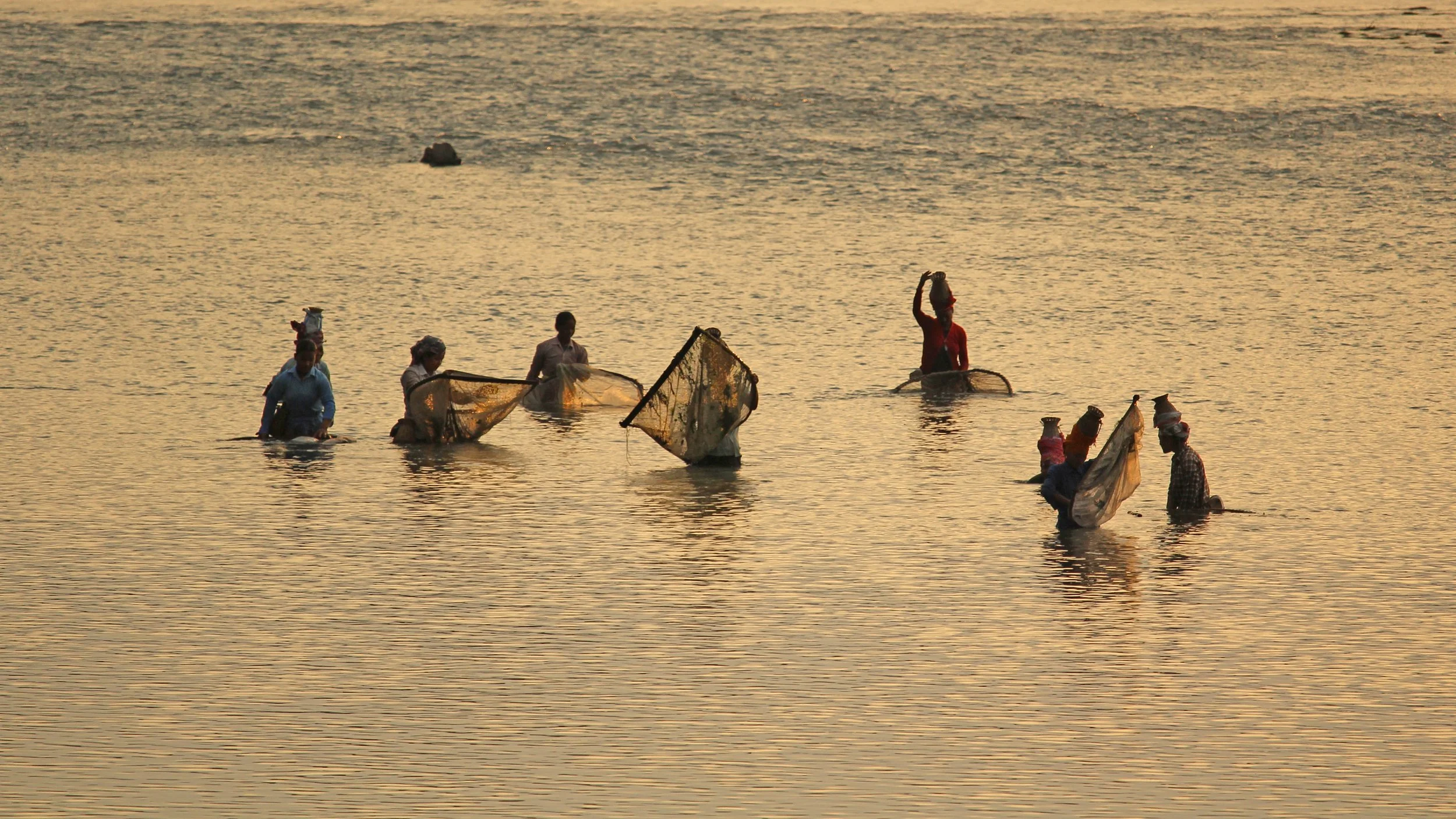
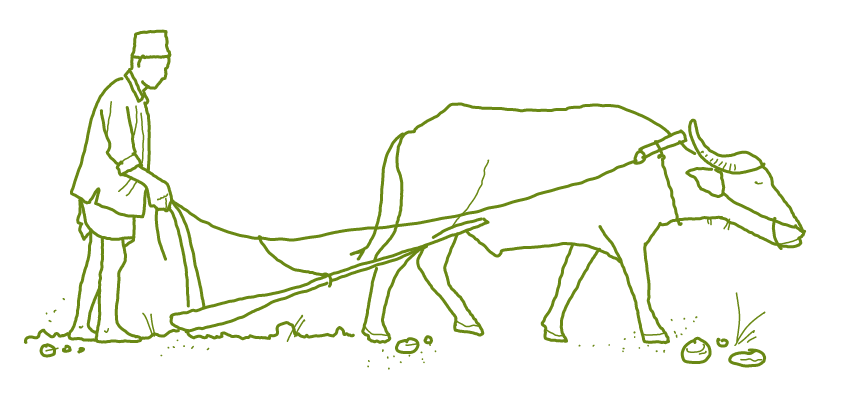
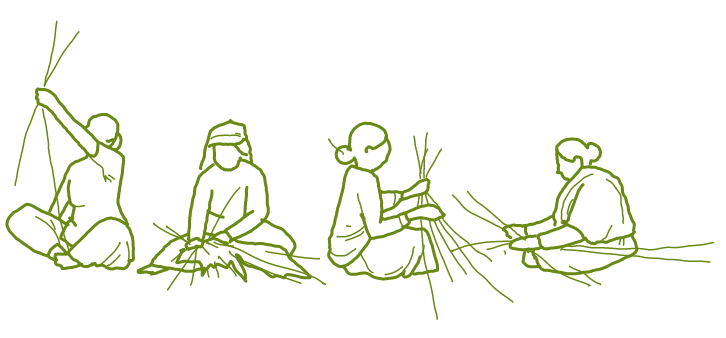
Bardiya National Park in Nepal’s lowland Terai, one of South Asia’s biodiversity hotspots, is widely regarded as a conservation success. Populations of endangered species, including the Bengal tiger, have rebounded significantly in recent decades, drawing increased tourism and international attention. Yet the increase in wildlife has brought increased human-wildlife conflict. Bardiya was established in the 1970s on lands historically inhabited by the indigenous Tharu people, many of whom were displaced into a 327-square-kilometer perimeter park “Buffer Zone” as the area transitioned from royal hunting reserve to protected wilderness. Approximately 100,000 residents still reside within the zone, communities whose subsistence livelihoods depend on daily access to surrounding forests. Fishing, livestock grazing, and collecting fodder, firewood, or wild fruits and medicinal plants often brings people into daily contact with wildlife. Encounters can be fatal. Within the past five years, more than 36 people in Bardiya have died from tiger attacks alone. In this context, the landscape of conservation is also a landscape of conflict, where global ecological priorities intersect with indigenous traditions and local survival.
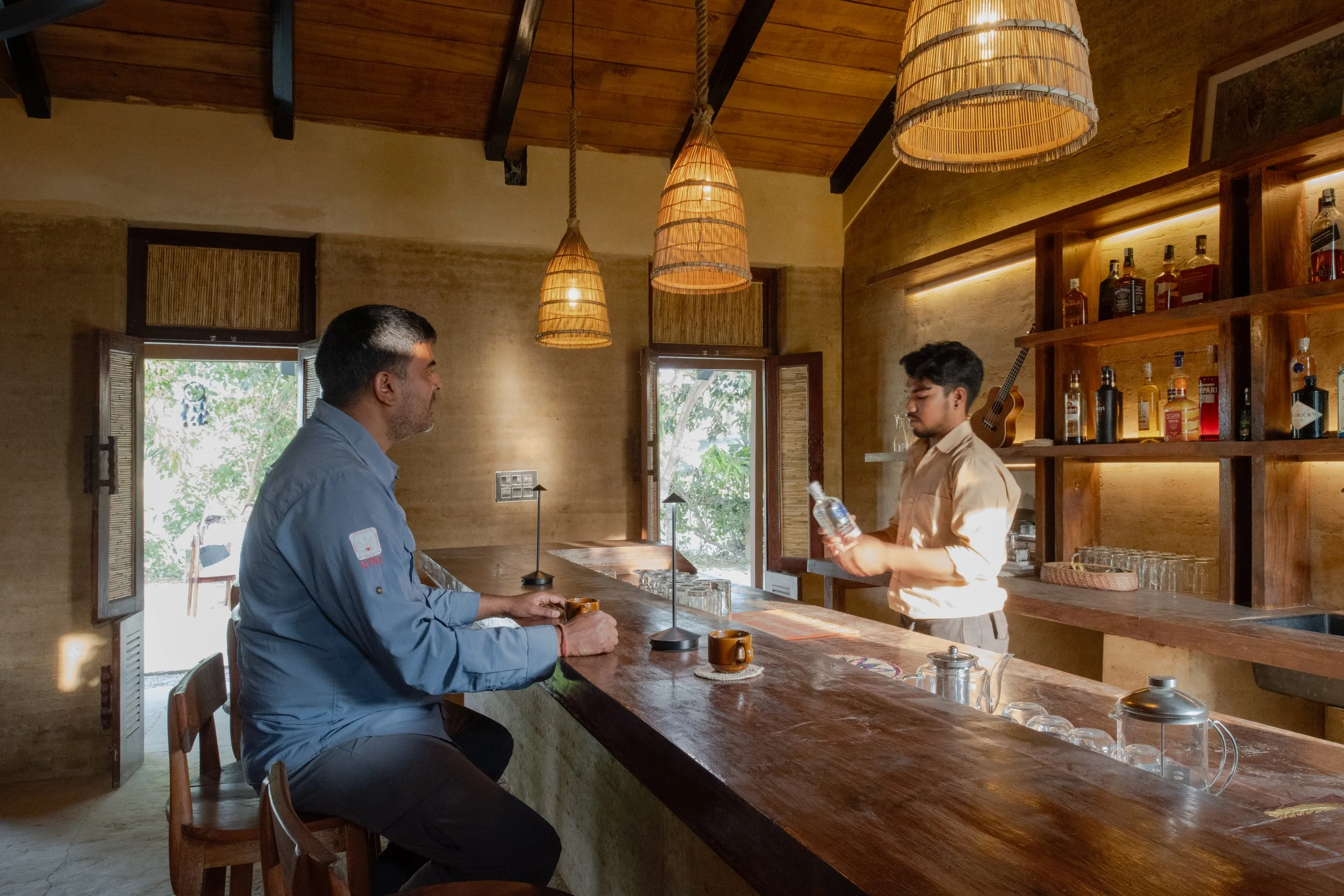
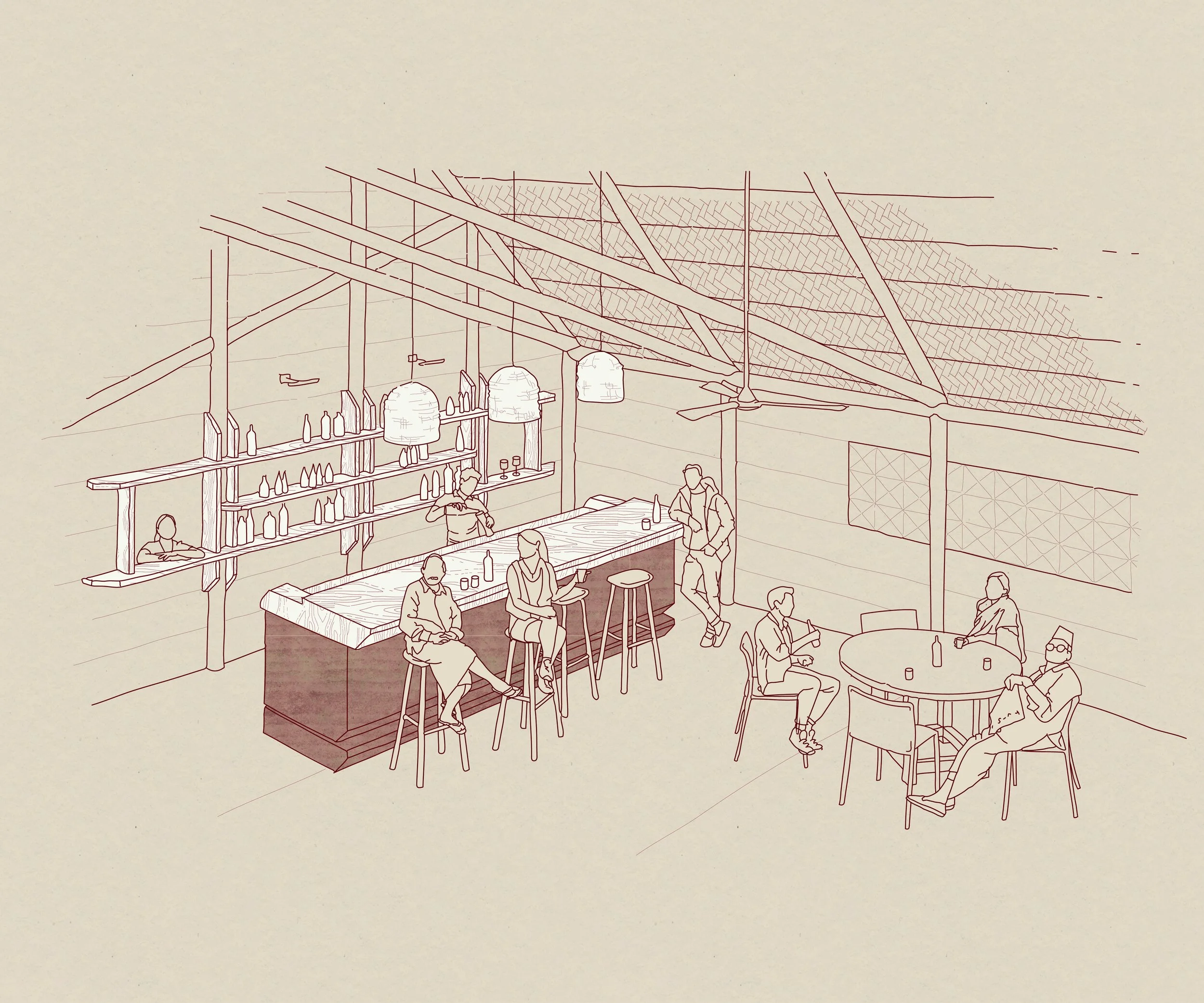
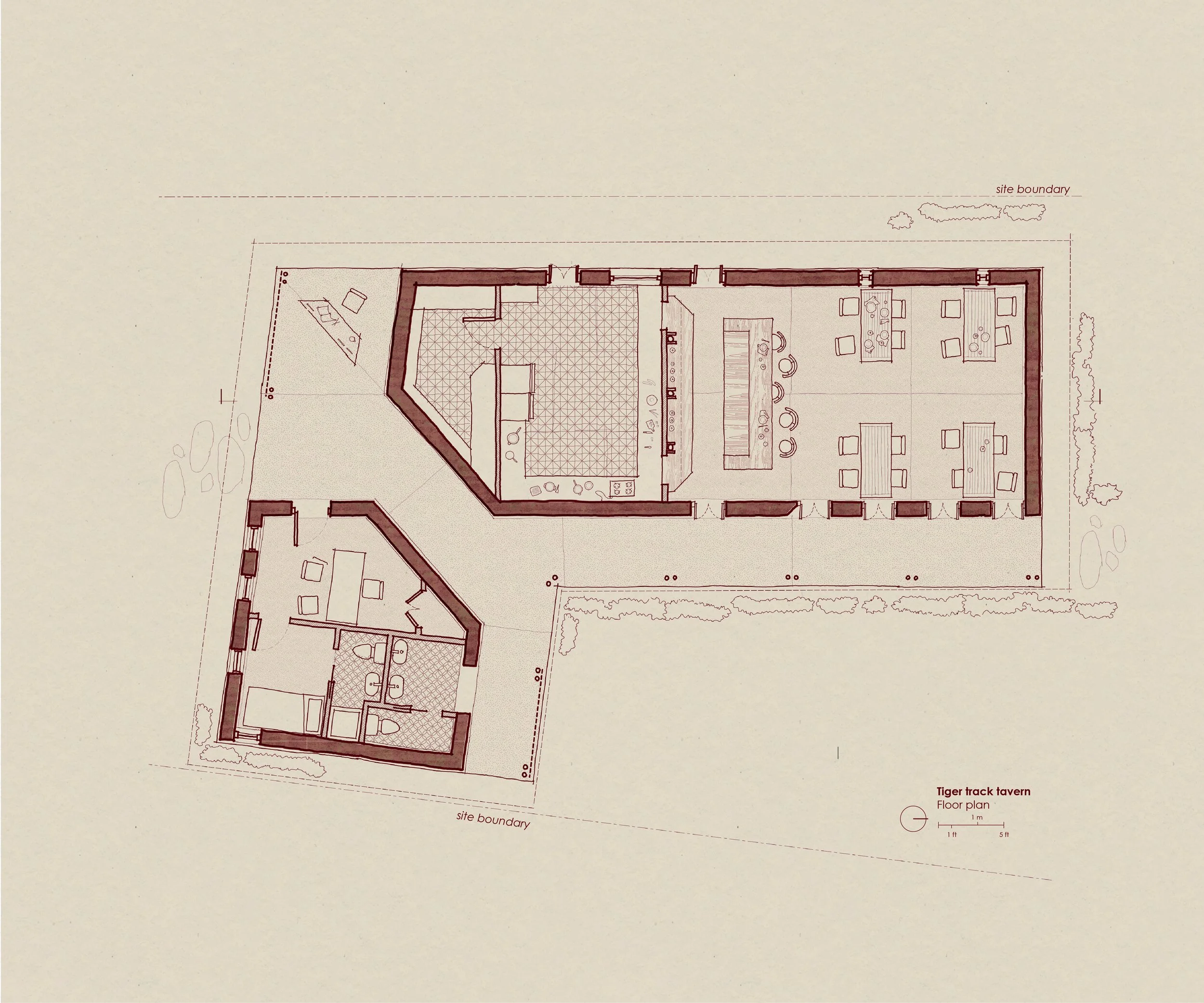
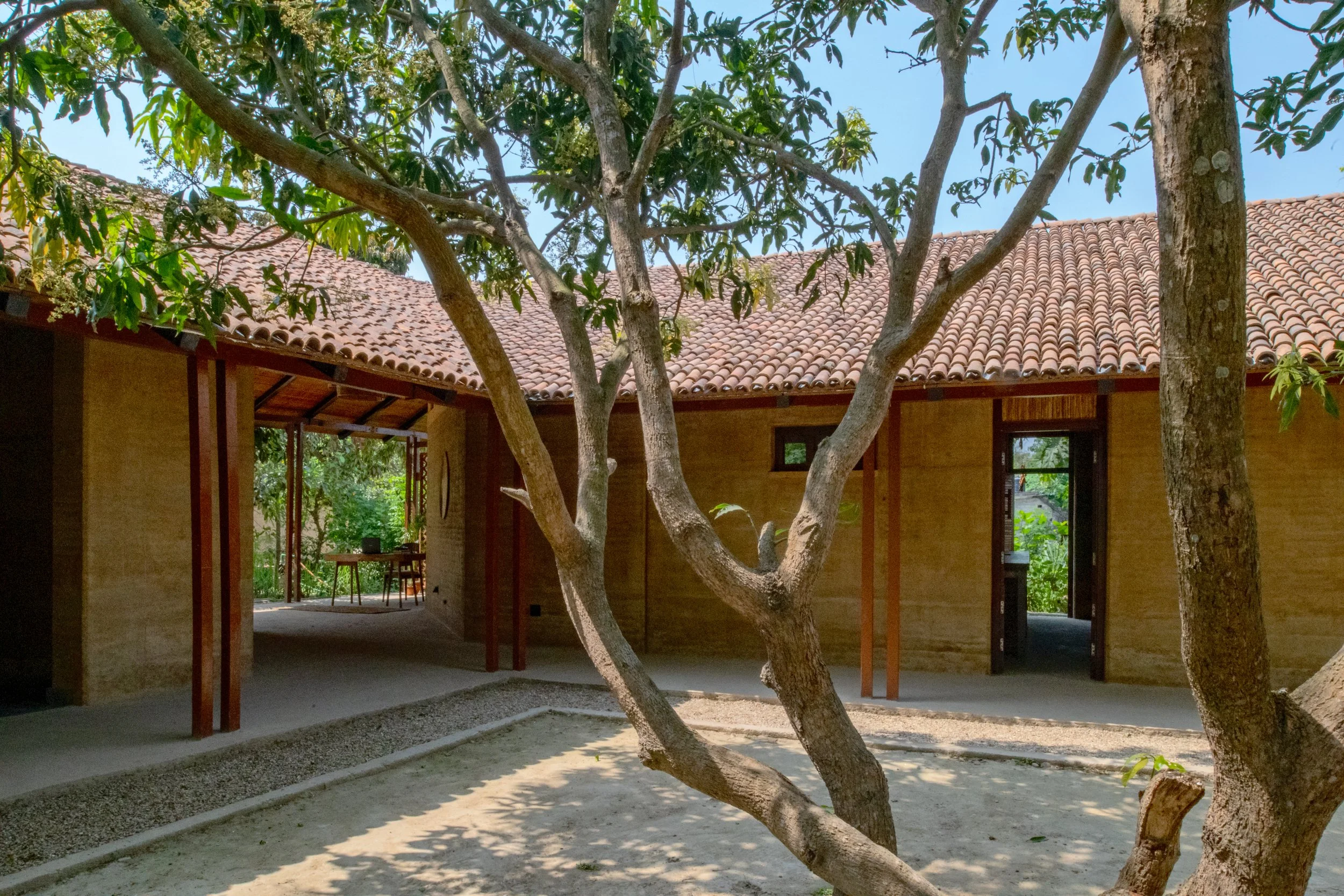
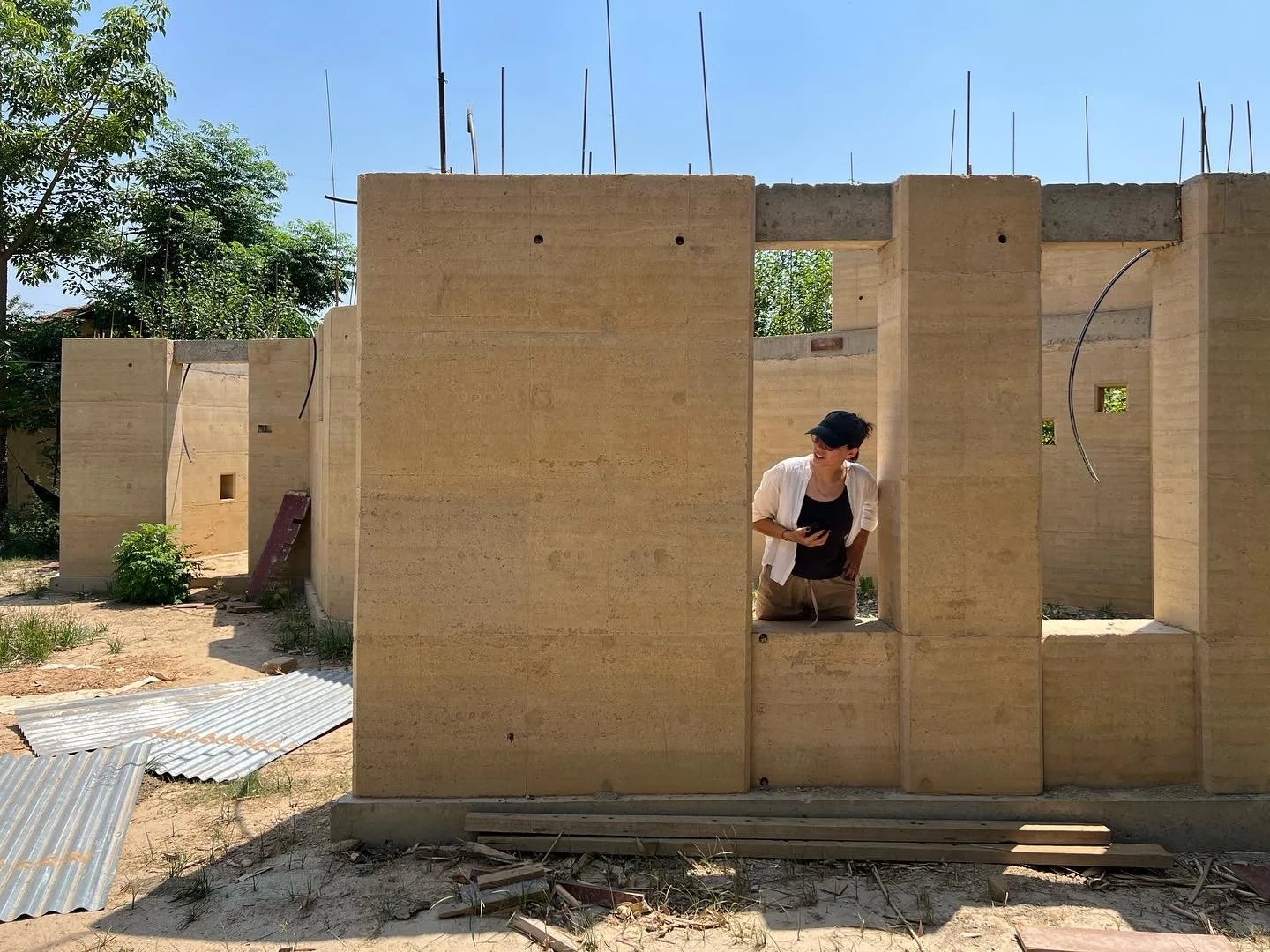
Founded by wildlife conservationist Hemanta Acharya, whose own father was killed by an elephant in 2010, Tiger Track Nepal channels the economic benefits of wildlife conservation back into the communities who bear its risks. A 4,250 sq ft rammed earth lodge, designed by Building Bureau and completed in 2026, serves as both a community hub and
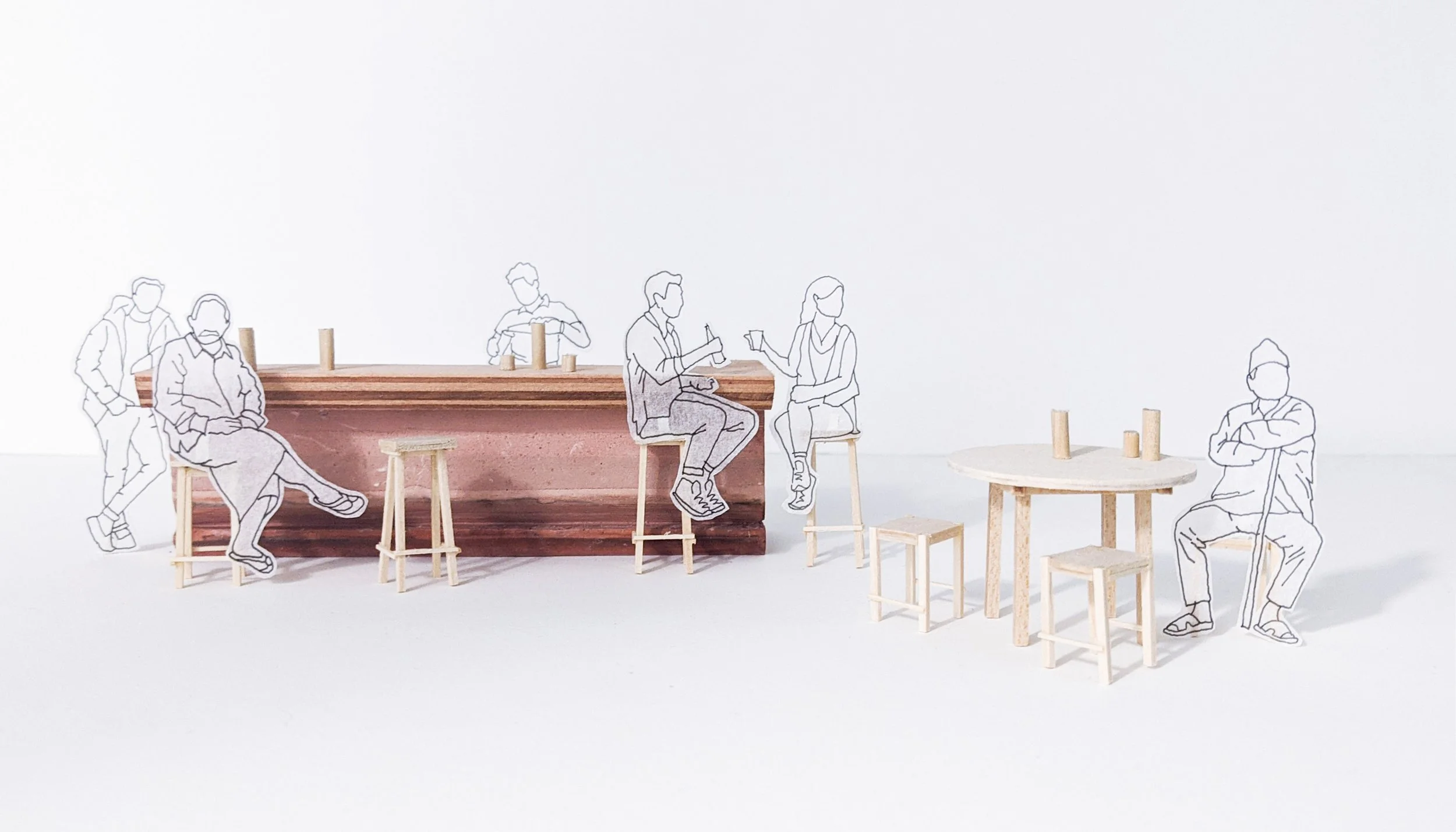
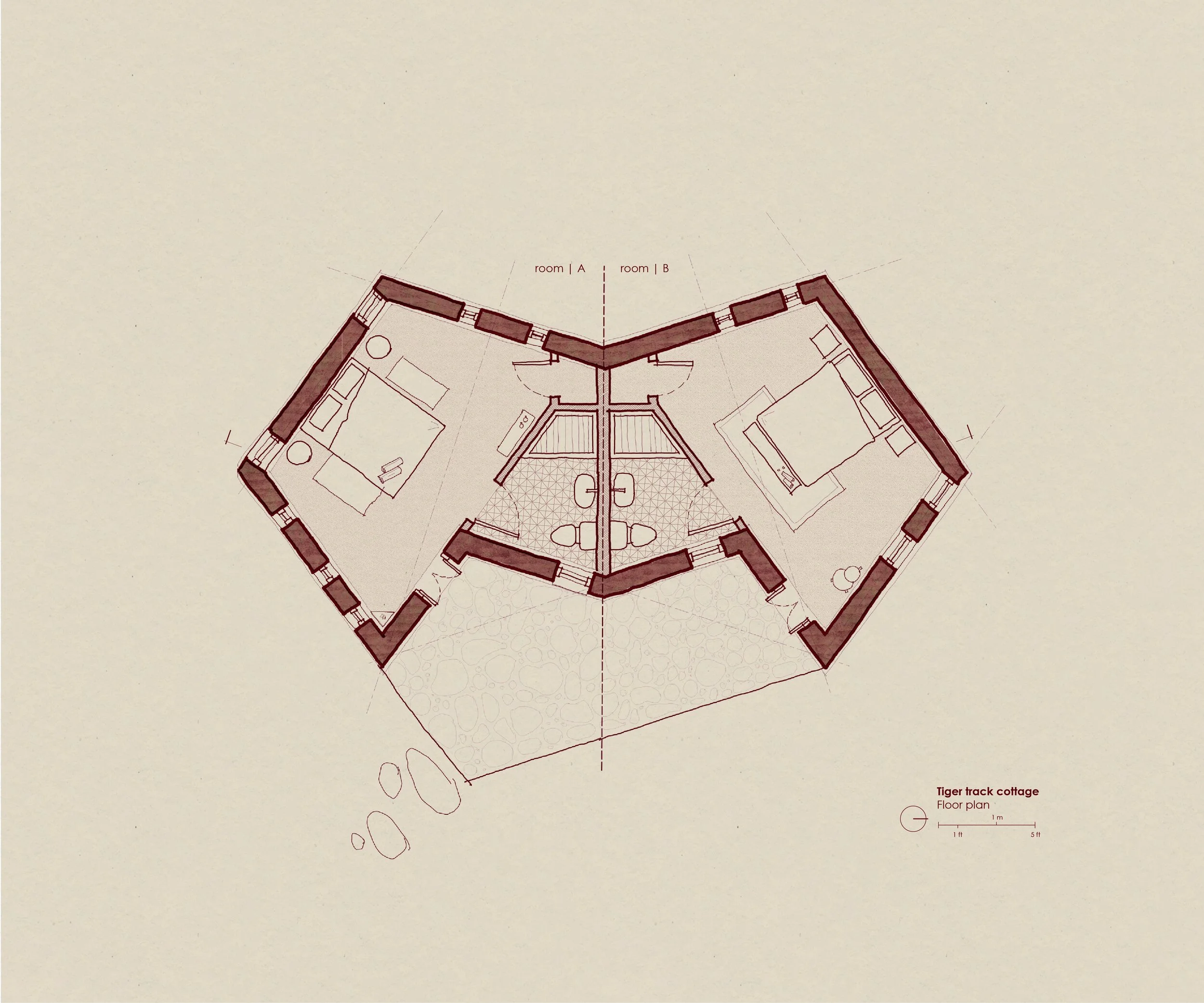
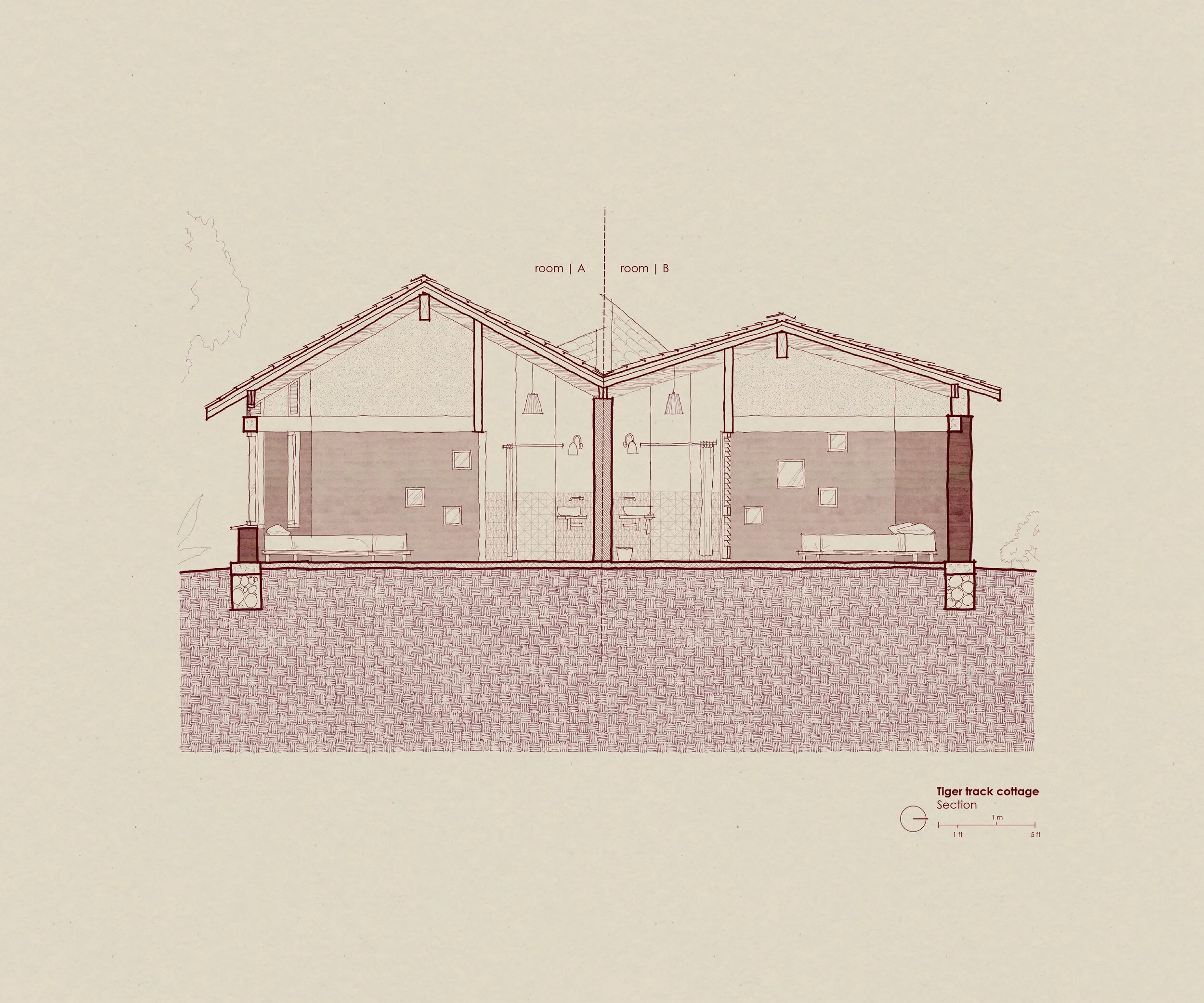
accommodation for tourists, with office and reception space, staff accommodation, a dining hall, and guest cottages. A portion of lodge revenue is directed to a Single Women’s Wildlife Victim Fund, providing seed capital for microenterprises to families who have lost primary earners to wildlife attacks. Annual contributions also support the Community-Based Anti-Poaching Unit (CBAPU), whose volunteer Rapid Response Team – based at the lodge – intervenes in active human-wildlife conflicts. With this project, tourism becomes not only a driver of conservation, but a mechanism for local resilience.
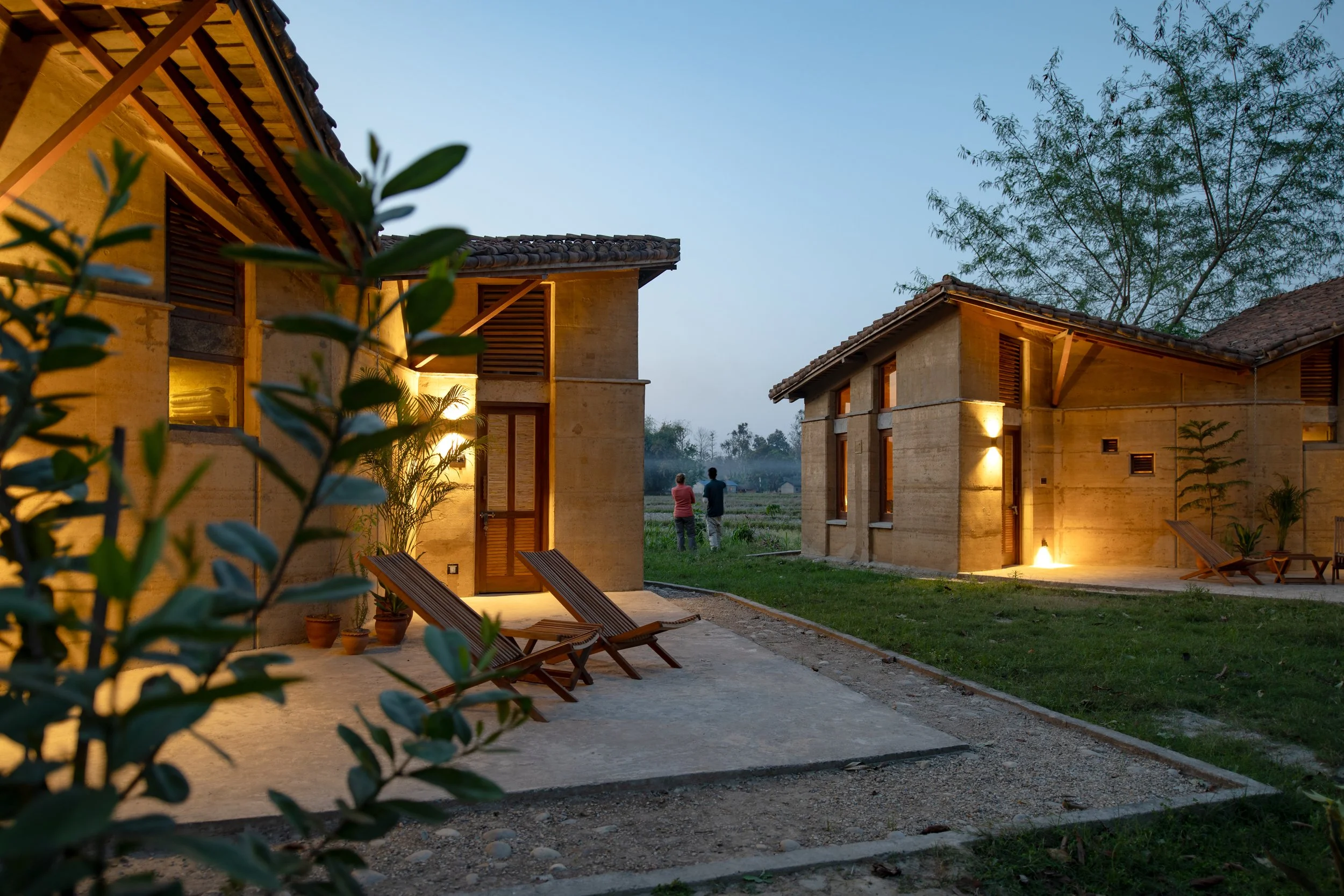
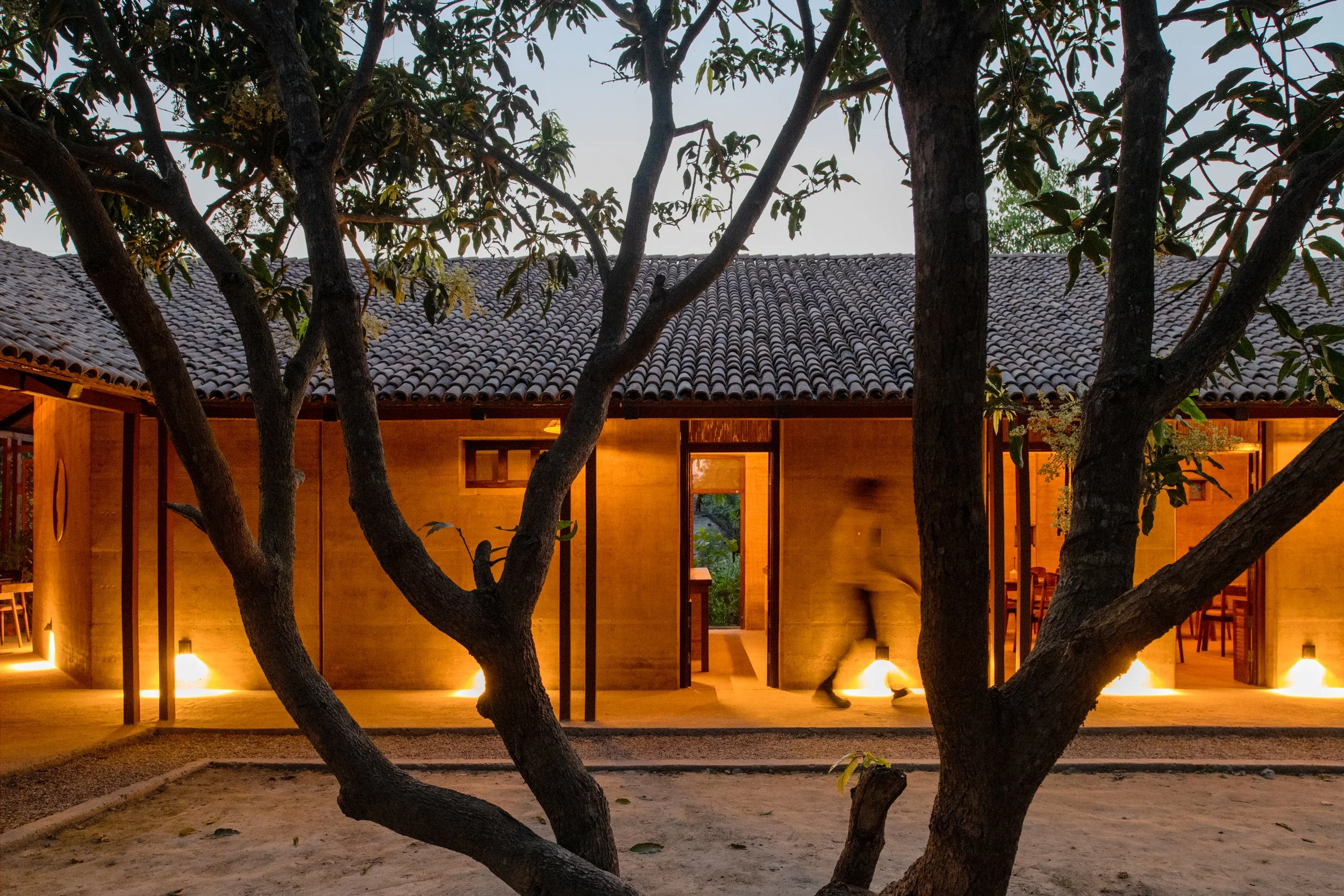
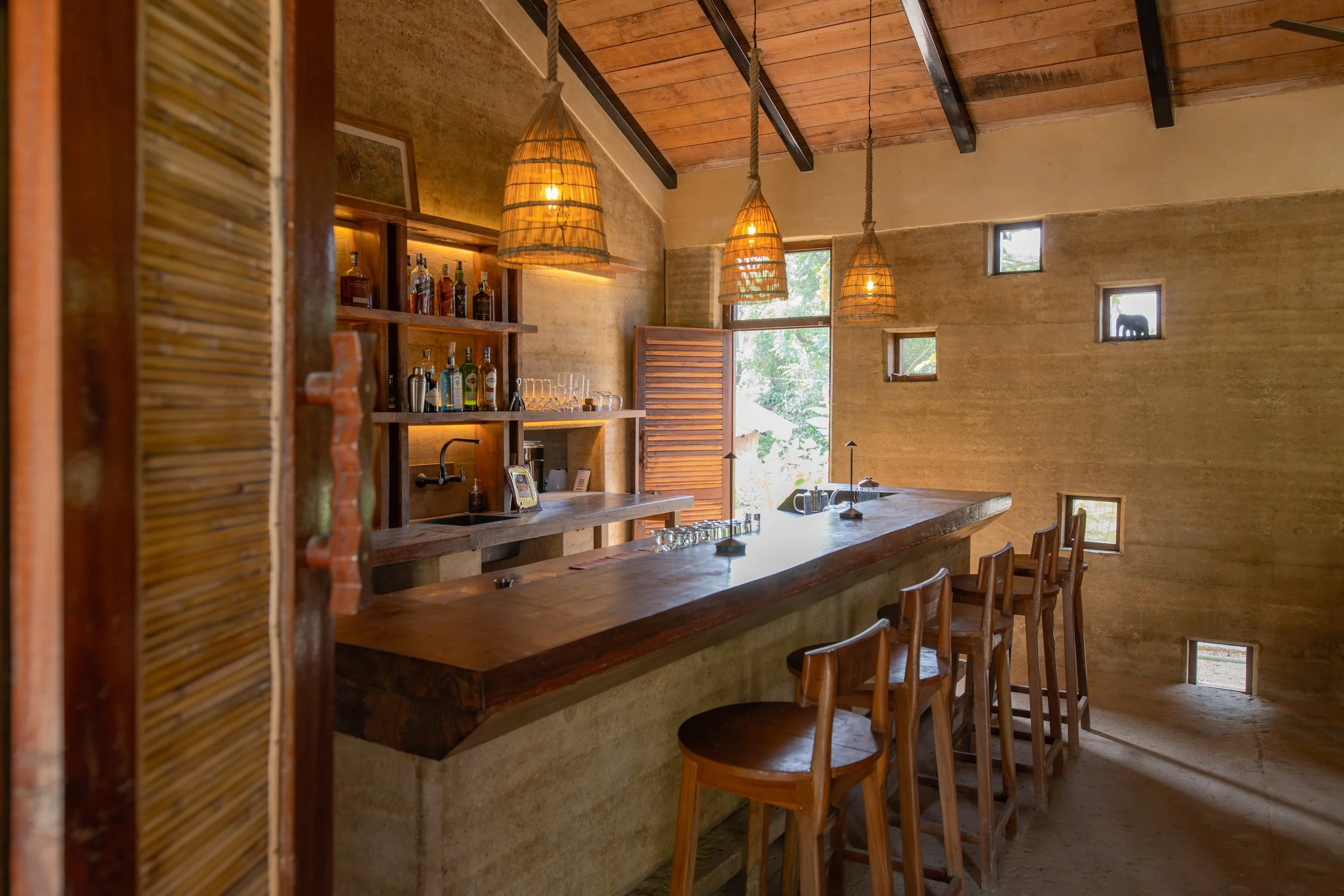
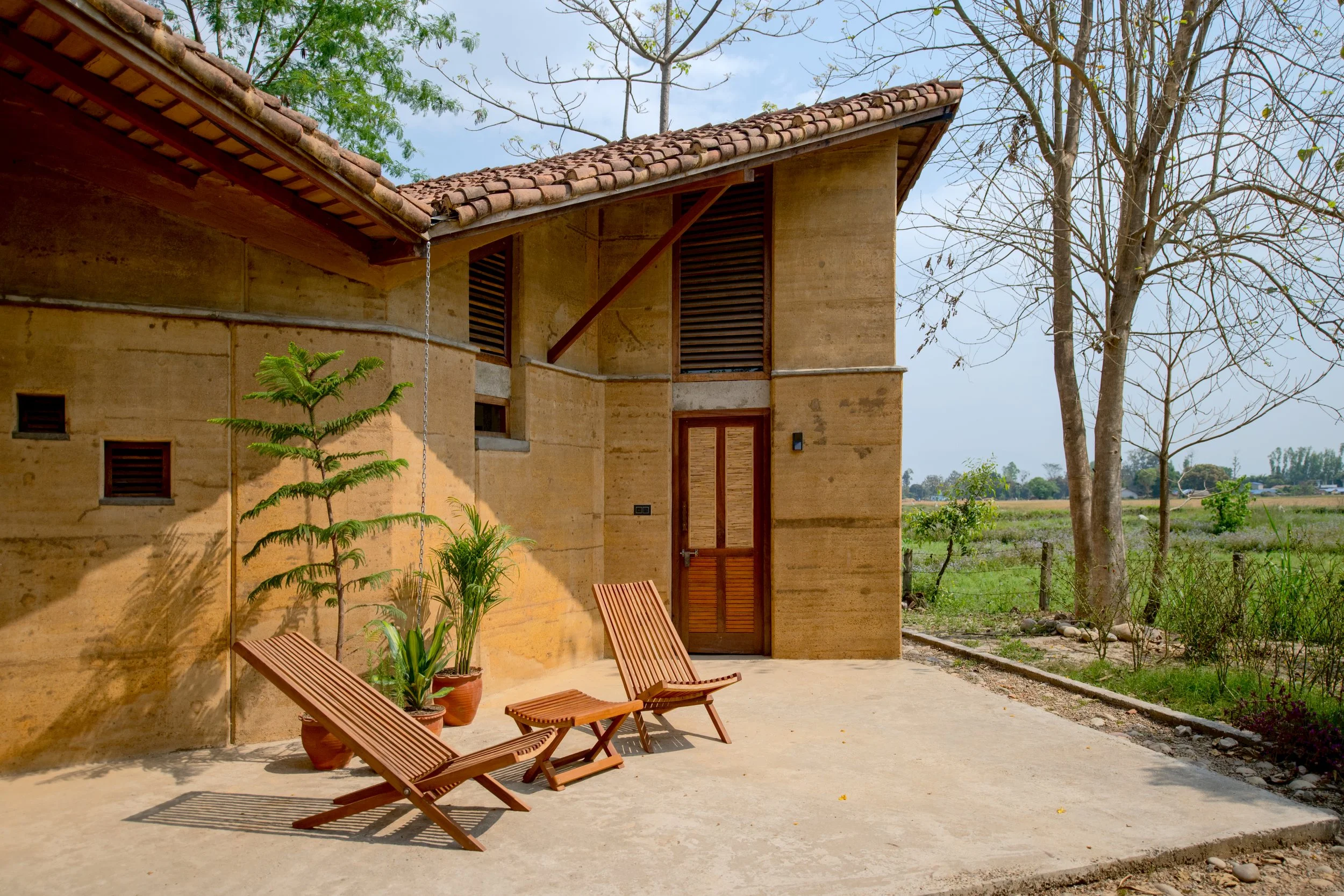
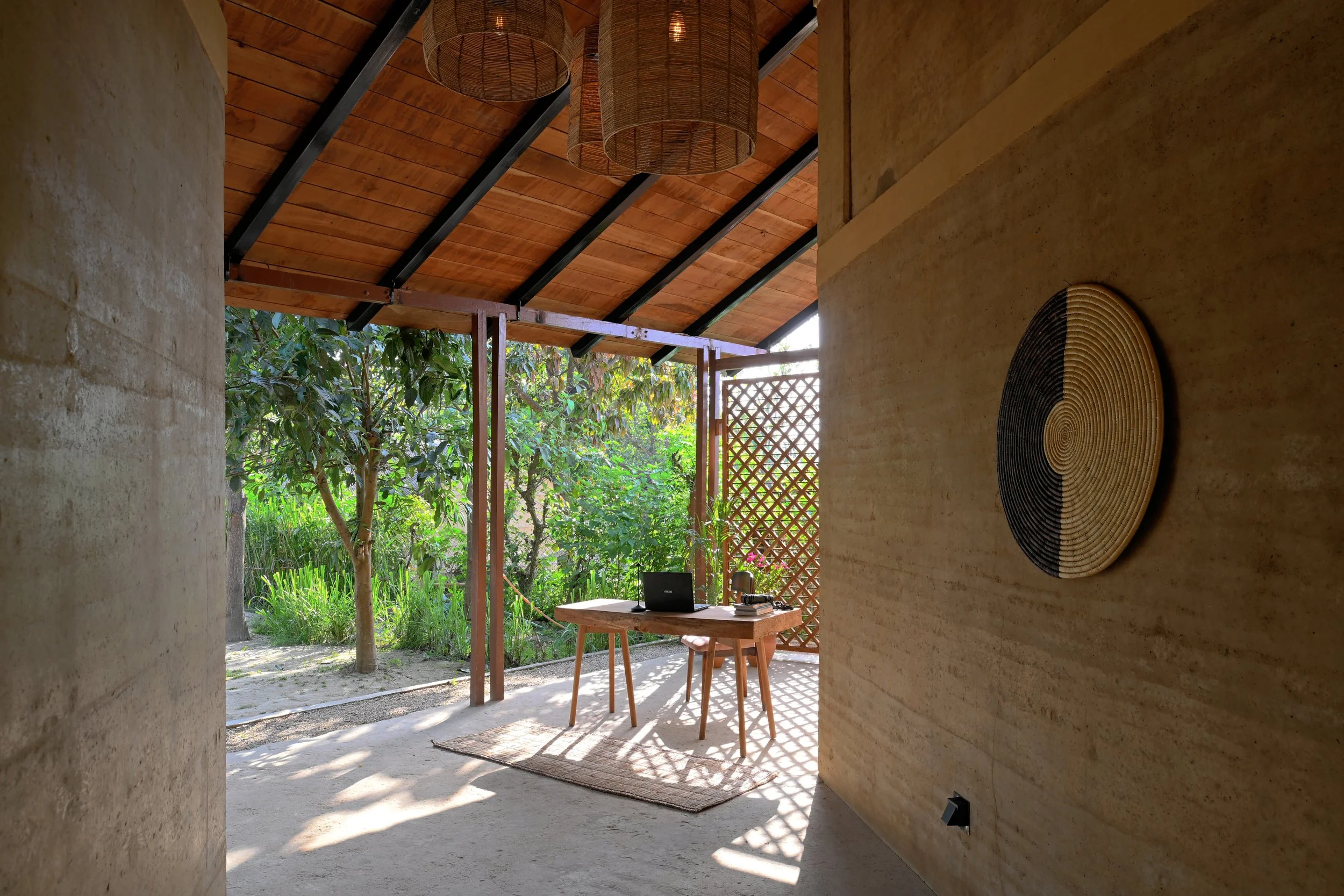
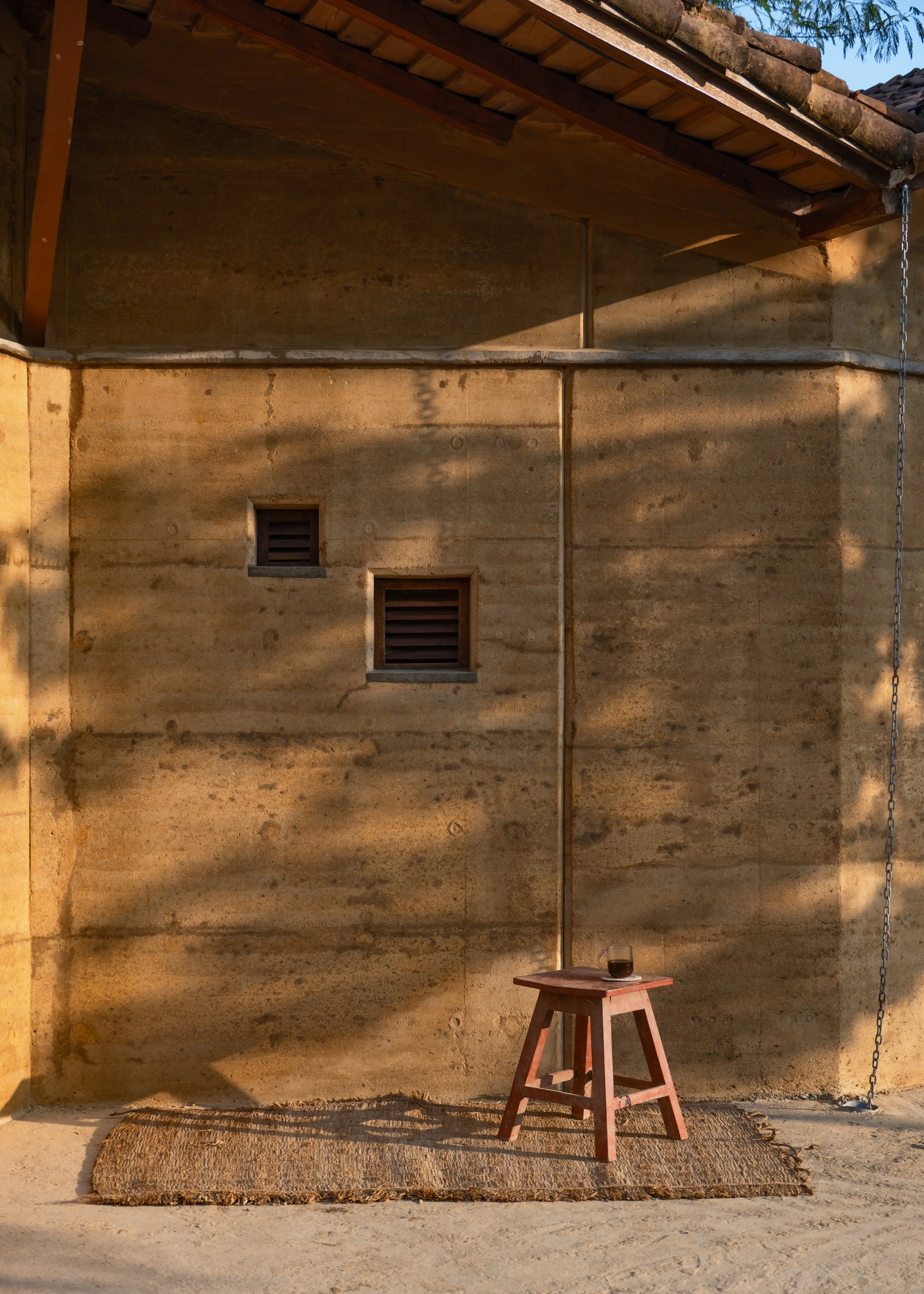
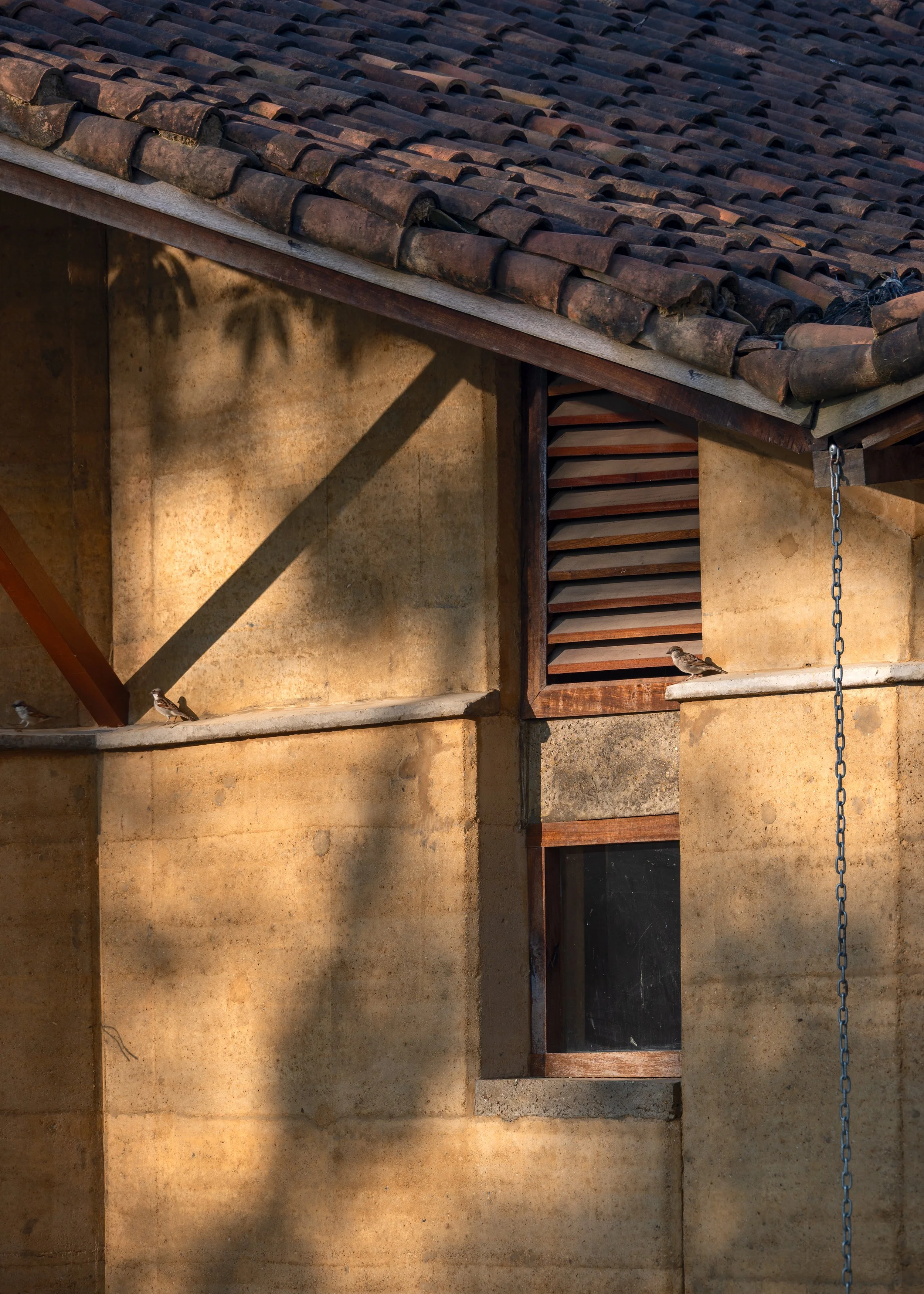
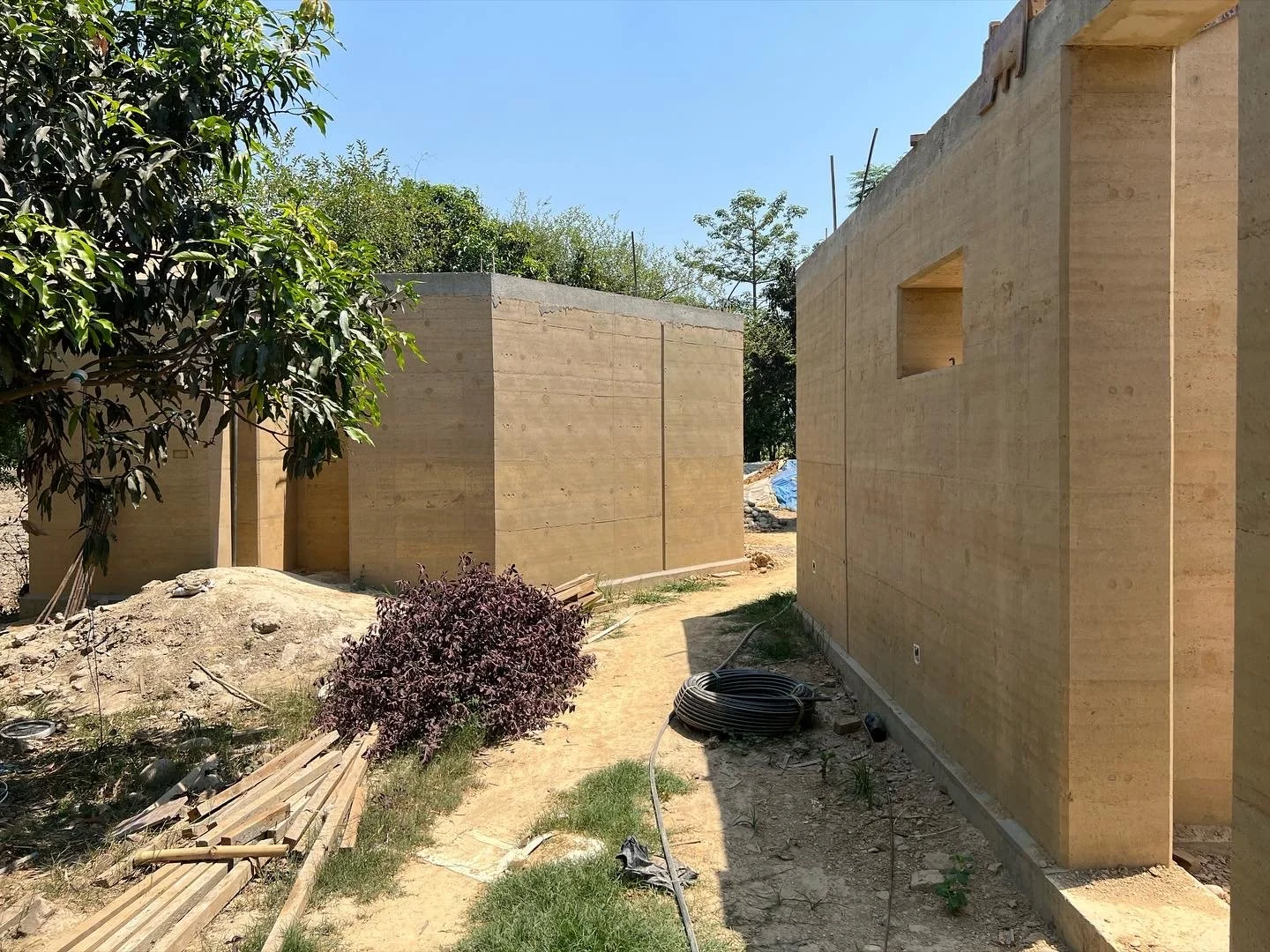
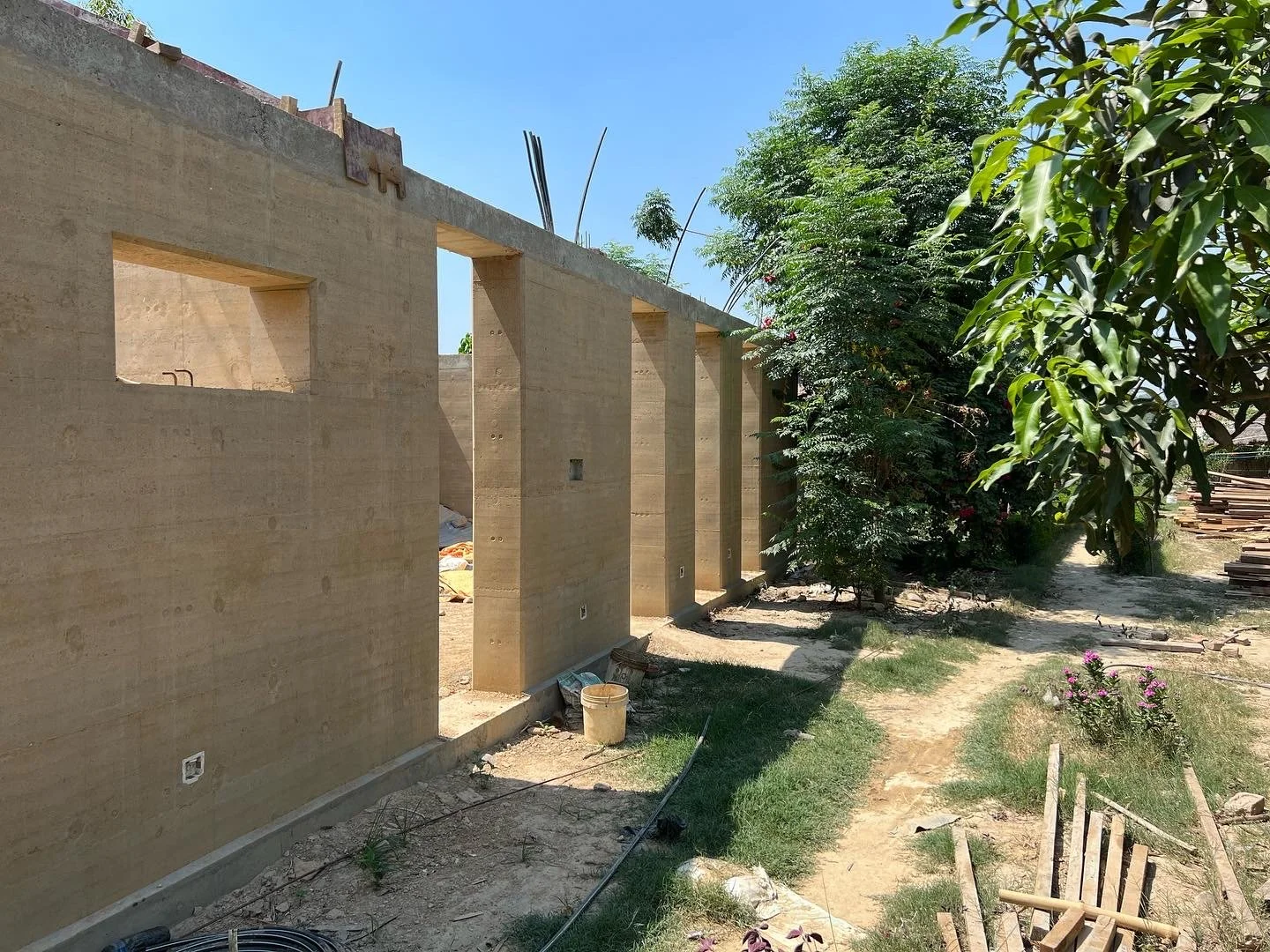
Architecturally, the lodge responds to a parallel crisis: the erosion of indigenous building culture in Bardiya. Traditional Tharu wattle-and-daub construction is rapidly being displaced by concrete and tin, materials that are thermally poor, culturally alienating, and environmentally costly. Tiger Track reintroduces earthen architecture in a contemporary form: walls of rammed earth stabilized and reinforced with steel rebar for seismic resilience, and roofing of reclaimed terracotta tiles salvaged from nearby demolished farmhouses.
While modest in scale, Tiger Track acts as a demonstration project, reframing earth construction not as a vestige of the past but as a viable material for the future, with the potential to influence how an entire region builds under the pressures of tourism and environmental change. ■
टाइगर ट्रयाक लज
यो लज माटो ढुङ्गा र अन्य स्थानीय सामानहरू प्रयोग गरेर बनाउन लागिएको बन्य जन्तु आरक्षण केन्द्र हो। यो अहिले निर्माणाधीन अवस्थामा छ। यो लज टाइगर ट्राक नामक संस्थाका बन्यजन्तु आरक्षक हेमन्त आचार्यले बुरहान क्याम्पसका मनोज गौतम र दक्षिणा खड्काको सहकार्यमा निर्माण गर्न लागेका हुन्। यो सामुदायिक सिकारी-निषेधित भवन, बर्दिया राष्ट्रिय पार्कको ठीक बाहिरपट्टि रहेको छ। यो नेपालको समथर भूभाग तराई क्षेत्रमा अवस्थित आरक्षण केन्द्र हो जुन ठाउँ चाहिं दूर्लभ एवं लोप हुन् लागेका, एकसिङ्गे गैंडा, इन्डियन टाइगर, गुजराती डल्फिन र अति चर्चित बेङ्गाल टाइगर जस्ता प्रजातीका बन्यजन्तुहरूको घर हो।
यो भूभाग बर्दिया राष्ट्रिय निकुञ्जको प्रवेशद्वारको अगाडिपट्टिको साँगुरो बाटोसँगै उत्तर- दक्षिण ढल्किएको छ। यो लज खाता कोरिडरमा अस्वथित छ जसमा गृवा नदीसँगै रहेको पन्ध्र कोश लामो संरक्षित जमिन जहाँ नेपालको बर्दिया जिल्लासँग भारतको कतार्नियाघाट जोडिएका छ।
यो लजमा पाँचवटा मात्रै पाहुना कक्षहरू छन्। यहाँ अहिले स्वागत कक्ष र प्रशानिक कक्ष छैनन्। यो नयाँ संरचना हो र बलियो तबरले यो ढुङ्गा, माटो र अन्य स्थानीय प्राकृतिक संसाधनको प्रयोग गरी बनाइएको छ। आगामी दिनहरूमा स्वागत कक्ष, अफिस, पाहुना स्वागत कक्ष, कर्मचारी बसोबास कक्ष, भान्छा र खानेकुरा राख्ने कक्ष, बीसजना सम्म बस्न मिल्ने भोजन कक्ष र बार निर्माण गरिने छ। लजको क्षमतालाई दुइगुना विस्तार गर्न अहिले निर्माण गरेको पाहुना कक्षलाई कायमै राखी अरू दुइवटा पाहुना घरहरू निर्मण गरिने छ। तराईको तापक्रम तातो एवं बाष्पीय भएपनि ढुङ्गा, माटो र अन्य स्थानीय प्राकृतिक संसाधनको प्रयोग गरी बनाइएको यो संरचनाले प्रकृतिक रुपमा तापक्रमलाई यथास्थितिमा राख्ने कुराको सुनिश्चित गर्दछ। लजको छानोको लागि परम्परागत काठका बाकलहरू र स्थानीय घरहरू भत्काउदा बचेका टेराकोटा टायलहरू संकलन गरिएको छ ।
यसको निर्माण सन् २०२३ को जनवरी महिनामा सुरु भएको हो र यो बर्षको अन्त्यमा यसको निर्माण सम्पन्न हुने अपेक्षा राखिएको छ। ■
awards